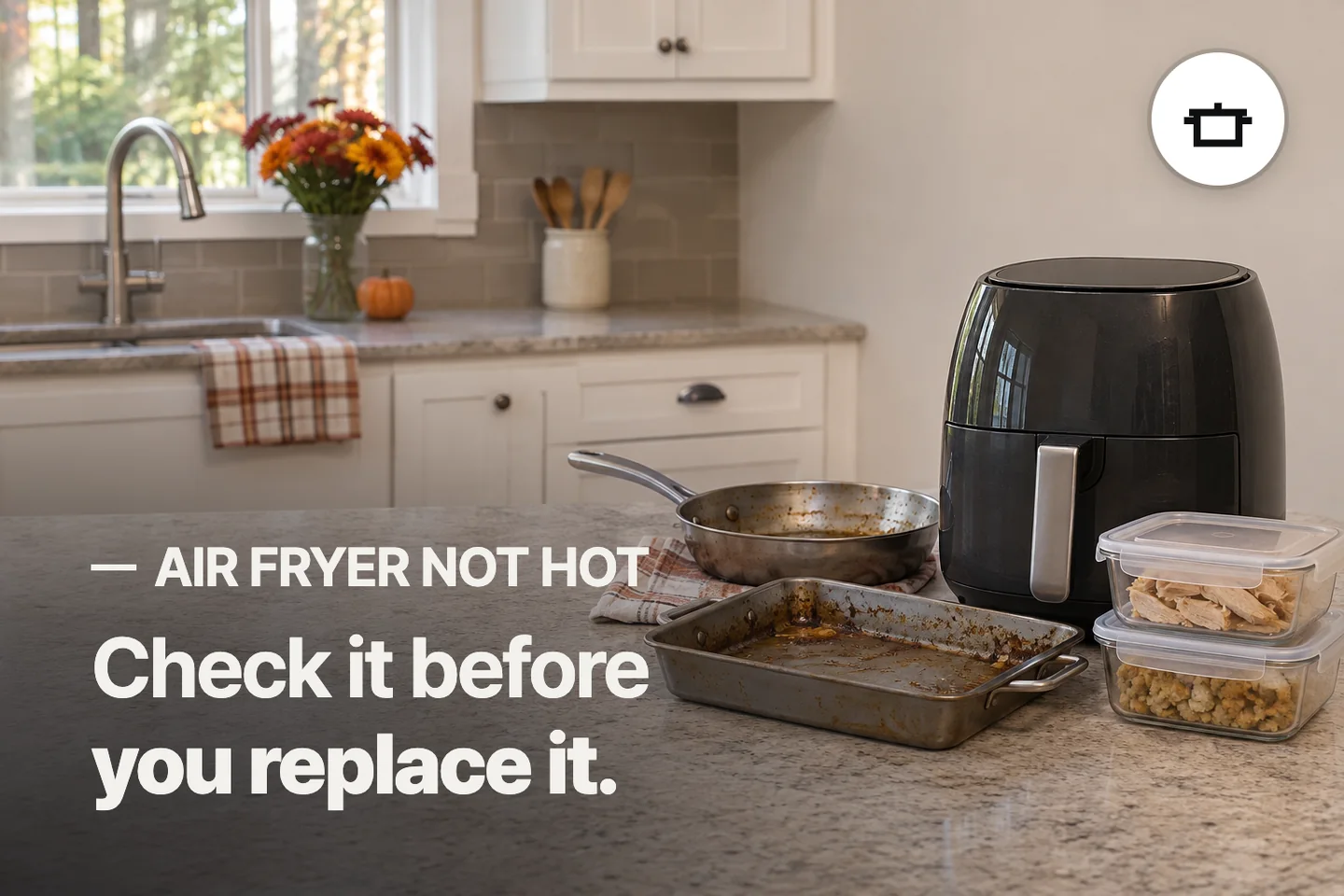
The turkey leftovers are in the fridge, December dinners are approaching, and the backyard cooker still holds a greasy drip tray and an ash-filled fire pot. For the family facing that mess, how to clean pellet grill parts comes down to keeping grease removal and dry ash cleanup separate. Clean the grease path and cold fire pot before the next cook, rather than trying to burn everything away.
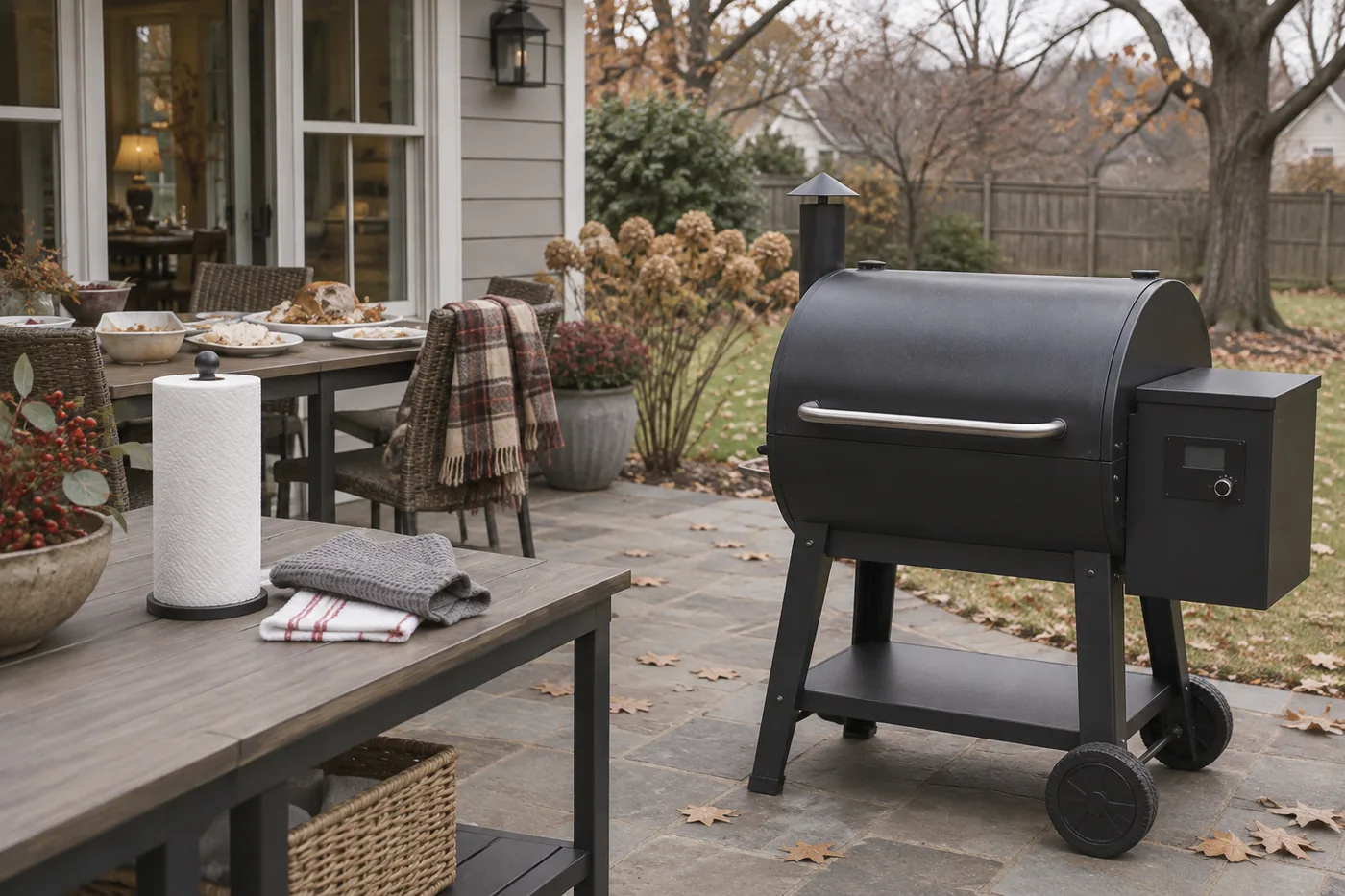 The meal is finished; the cleanup starts with a fully cooled grill.
Swipe sideways to see the full table →
| What is left behind | Greasy tray and drain | Dry ash and pellet dust |
|---|---|---|
| First move | Remove loose grease and food residue | Confirm everything is completely cold |
| Cleaning approach | Scrape and wipe using the maker's instructions | Vacuum only as permitted by the grill and vacuum instructions |
| Finish to look for | Clear drainage and correctly seated parts | Cleared fire pot and dry pellet storage |
I'd start with the tools already available: cleaning cloths, heavy-duty paper towels, and a suitable dedicated vacuum if the model calls for one. That means no new grill or specialty cleaning kit is needed for this walkthrough. Traeger's cleaning guide specifically allows cloths or heavy-duty towels and warns against wire brushes on its grates.
How we chose
Reviewed Traeger's cleaning guide, cleaning and shutdown support pages, and Pit Boss's US FAQ. The three checks were an unobstructed grease route, fully cold ash removal, and model-correct reassembly; no additional cleaning product is necessary to recommend here.
What we considered
Grease route
Can drippings reach the collection container?
Traeger identifies grease pooling and fires among the consequences of inadequate cleaning. The walkthrough follows the tray through its outlet instead of treating a replacement liner as a complete cleanup.
Cold ash
Is the residue completely cold before collection?
Traeger explicitly warns of fire risk when vacuuming ash. Shutdown completion and a running fan's timer are not substitutes for confirming a fully cooled grill.
Model fit
Does this procedure match the grill's internal layout?
Pit Boss uses a flame broiler, while some Traeger models collect grease and ash in a keg. The model's own instructions determine what to remove, how to clean it, and how it goes back.
Part 1How to clean pellet grill parts without mixing the mess
The tray catches drippings; the fire pot collects combustion residue. So although both look dirty after a long turkey cook, they need different treatment: grease gets removed and wiped away, while cold ash gets collected without soaking the pellet system.
Traeger's instructions start with a completely cool grill and specify turning it off and unplugging it for hopper cleaning. But finish the model's shutdown cycle first: Traeger's shutdown guidance explains that the process differs by controller, and Pit Boss says its fan may continue for approximately 15 minutes after powering off. That fan time is not a promise that every internal part is cold enough to clean.
Put a protected surface beside the grill for removable parts and keep the owner's manual nearby. This makes it easier to set down the grates, tray, and heat baffle in removal order without resting greasy metal on the patio furniture.
Part 2Clear the tray, then follow the grease downhill
On the conventional Traeger layout described in its support guide, remove the grates, discard the used tray liner if fitted, and lift out the drip tray and heat baffle. Then remove the deposits, not just the stained liner: Traeger also calls for wiping down the tray and baffle. A fresh liner cannot remove grease already sitting underneath it.
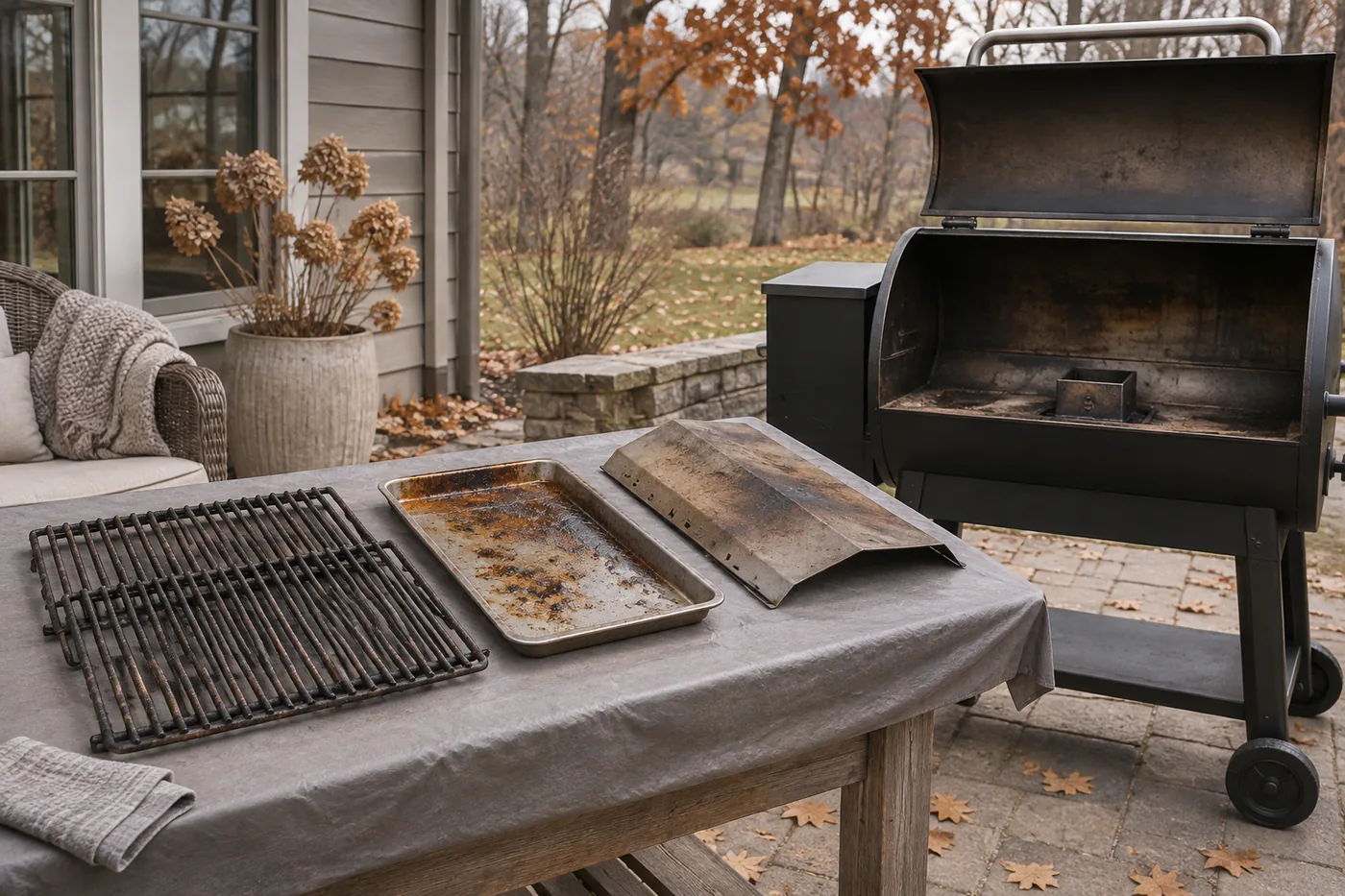 Lay removable parts out in order so their position is easy to check during reassembly.
Clean both sides of the grates with the cloth or towel method Traeger describes. Because its guide warns that wire brushes can damage the grate coating, a wire brush is not the default tool here; other grate materials need their own manufacturer's directions.
Follow the tray toward the grease channel, outlet, and collection bucket or keg. That means removing accumulated grease along the route, not stopping when the broad tray surface looks tidy. Traeger links inadequate cleaning with grease pooling and grill fires, so an open grease route matters more than shiny metal.
If you own a Pit Boss pellet grill, identify the flame broiler before treating it like a Traeger tray. Pit Boss describes it as both a grease drip tray and an adjustable opening for direct-flame cooking; its FAQ says the slider stays closed for normal lid-closed cooks to support drainage and prevent fires. So use your model's removal and reassembly directions rather than borrowing another brand's liner arrangement.
A clean tray is only part of the job; follow the grease all the way to its collection container.
Part 3Empty cold ash without wetting the pellet smoker
With the removable parts out, inspect the exposed barrel and fire pot. Traeger's guide says ash must be cold before vacuuming, explicitly warning of fire risk; follow the vacuum's ash-handling instructions too. If you cannot establish that the residue is fully cold, leave the vacuum off and postpone this step.
For conventional Traeger models, its support instructions call for vacuuming the barrel and fire pot, then emptying the hopper and removing sawdust from the hopper and auger tube. This is accessible cleanup, not a reason to dismantle the auger or reach into powered machinery. Keep the grill unplugged while cleaning, as Traeger directs.
Keep liquids away from the pellets and feed area: Traeger's hopper instructions specify a dry cloth or paper towel. But check the model before assuming a vacuum is required everywhere; Traeger's guide says Woodridge grills use an EZ-Clean Grease & Ash Keg and do not need a shop vacuum for that cleanup.
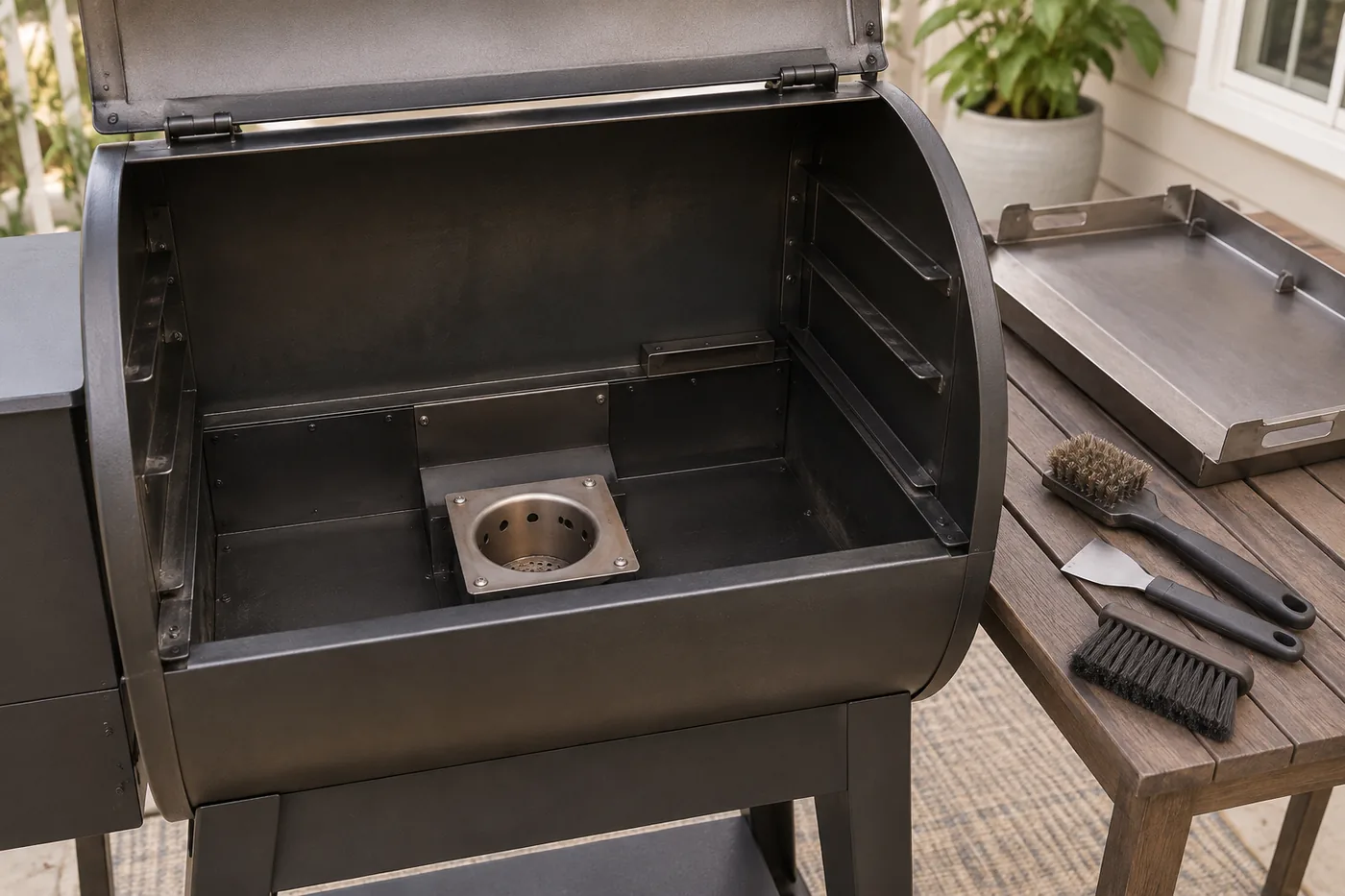 Ash cleanup stays separate from the greasy parts on the work surface.
Part 4Reassemble for dinner, not just for a clean photo
Return the heat baffle, tray, compatible liner if used, and grates to their specified positions. Then check the grease container and drainage route again before following the model's normal startup instructions. For a Traeger smoker with a temperature sensor, its support guide says not to clean the thermocouple or RTD unless visible buildup needs removal, so avoid scrubbing that part simply because it is exposed.
Do you need to wait for the next scheduled deep clean? Traeger recommends interior cleaning every 2–3 cooks or 20–24 hours of cooking, while Pit Boss recommends cleaning after 40–60 lb of pellets. But those are different manufacturers' schedules, not interchangeable permission to leave the turkey grease in place; both makers also describe ongoing grease cleanup.
Knowing how to clean pellet grill parts also means knowing when cleaning is not the whole answer. For this post-holiday reset, I'd finish the visible grease and ash cleanup now, then check the manual before the next meal. If temperature problems or abnormal smoke continue after correct cleaning and reassembly, stop and use the manufacturer's troubleshooting guidance instead of repeatedly restarting the grill.
Method and links: This walkthrough uses Traeger's cleaning guide and support instructions, its shutdown guidance, and Pit Boss's US FAQ. The checks were grease drainage, cold-ash handling, and model-specific reassembly; no cooking performance was measured. Sources last checked November 28, 2026.
In one sentence
Separate grease removal from fully cold ash cleanup, then check drainage and reassembly before cooking again.
Frequently asked questions
How often does a pellet grill need a deep clean?
Traeger recommends every 2–3 cooks or 20–24 hours of cooking, adjusted for cooking habits and food type. Pit Boss's US FAQ recommends cleaning after 40–60 lb of pellets. Follow the exact model's guidance and address grease buildup before the next cook.
Can I wash out the inside of a pellet smoker with a hose?
A hose is not part of the reviewed cleaning procedures. Traeger's hopper instructions use a dry cloth or paper towel, with accessible sawdust removed by vacuum. Follow the maker's surface-cleaning directions without wetting the pellets or feed system.
Does every Traeger smoker need a shop vacuum for cleanup?
No. Traeger's conventional grill instructions describe vacuuming fully cold ash, but its cleaning guide says Woodridge models use an EZ-Clean Grease & Ash Keg without requiring a shop vacuum. Identify your model before choosing the procedure.
What is different about cleaning a Pit Boss pellet grill?
Pit Boss's FAQ calls for vacuuming ash, scraping grease from the flame broiler, wiping with a light degreaser, and regularly emptying the grease bucket. It also says the flame-broiler slider stays closed during normal lid-closed cooks for drainage and fire prevention, so reassemble it according to the model's manual.
Sources
- Traeger grill cleaning guide · 2026-11-28
Deep cleaning every 2–3 cooks or 20–24 cooking hours; cold-ash fire warning; dry hopper wiping; Woodridge keg exception to vacuum cleanup.
- Traeger cleaning support instructions · 2026-11-28
Every 2–3 cooks or 20–24 cooking hours; monthly hopper emptying; conventional-model removal order and sensor-cleaning restriction.
- Pit Boss US FAQ · 2026-11-28
Cleaning after 40–60 lb of pellets; fan cool-down approximately 15 minutes; flame-broiler drainage and closed-slider instructions.
- Traeger shutdown support · 2026-11-28
No universal shutdown duration used from this page; it separates shutdown instructions by controller and grill family and explains improper-shutdown fire hazards.