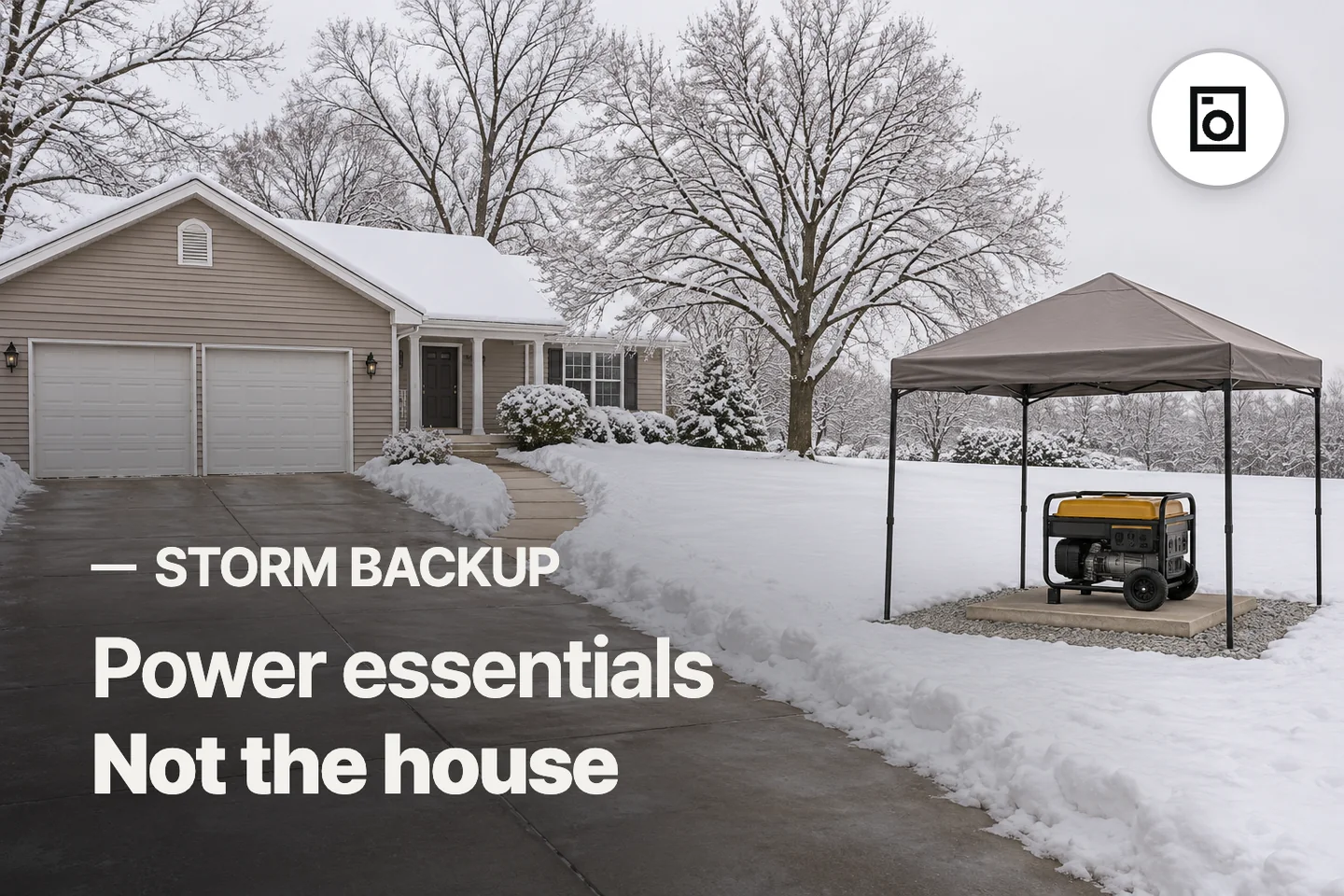
Twenty feet can be the difference between a usable generator spot and the neighbor's fence. For a suburban homeowner getting ready for a winter outage, EPA's minimum distance from buildings belongs on the shopping list before any wattage does. That means finding a dry outdoor operating location, not making room beside the garage freezer.
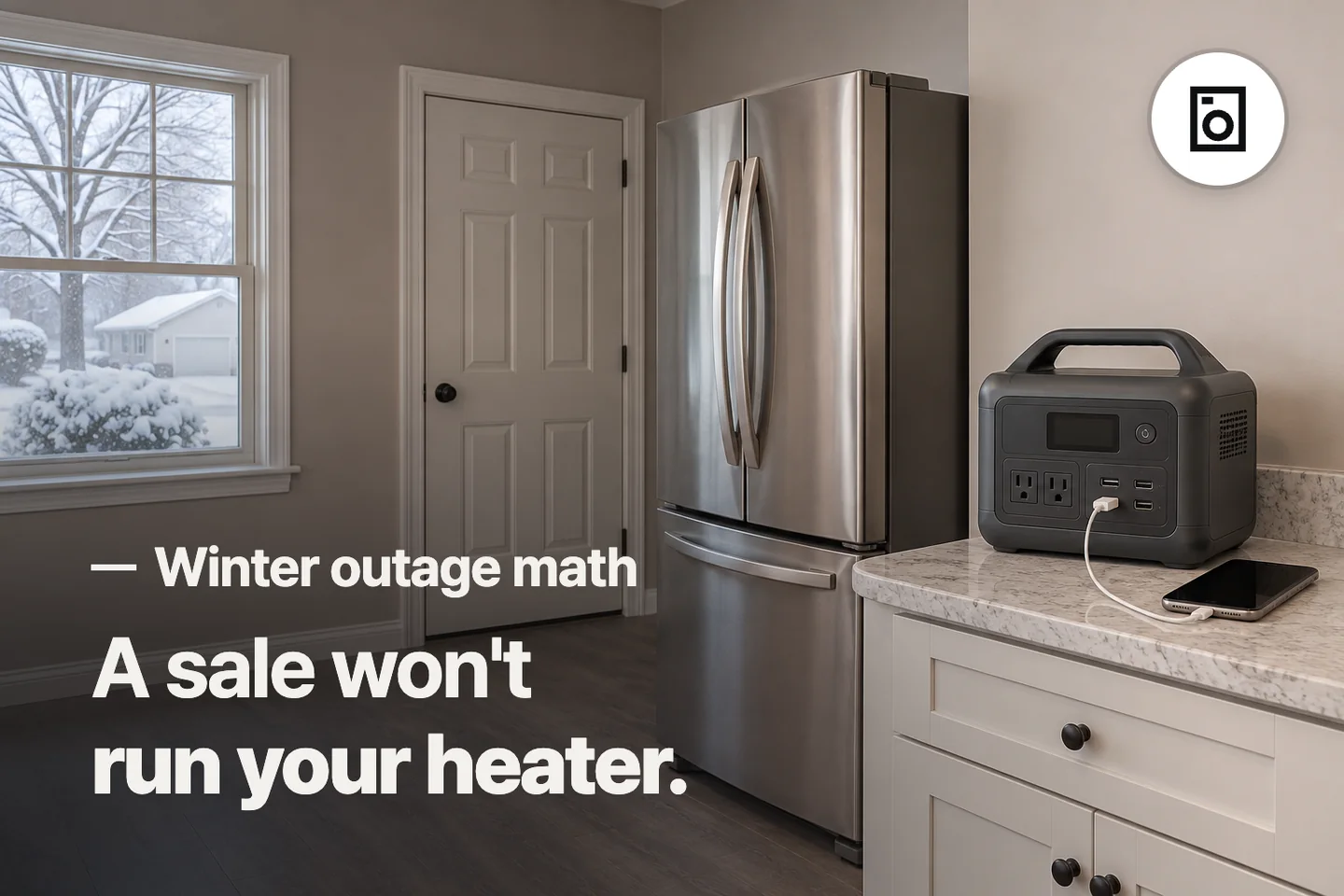
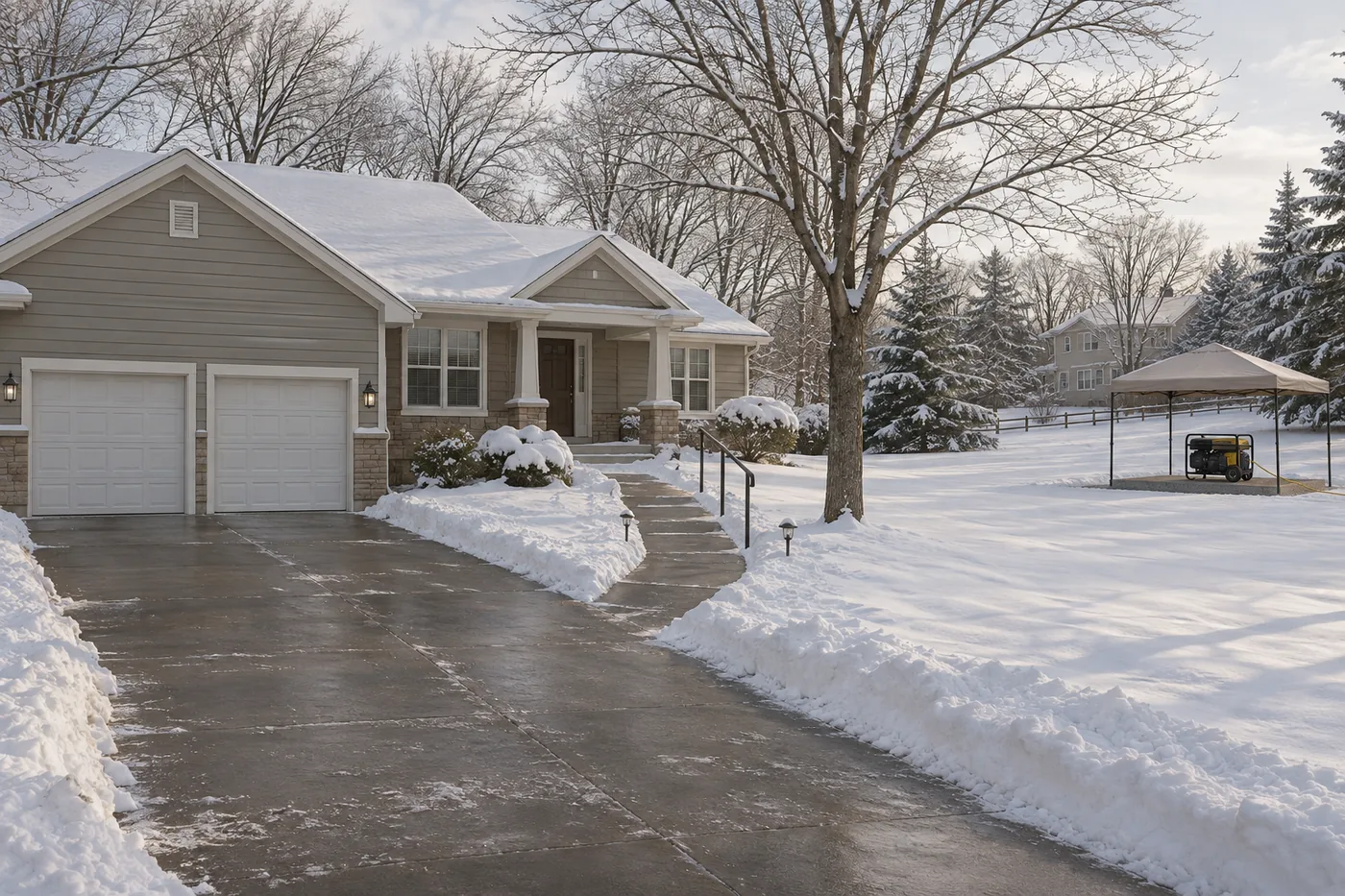 Keeping the kitchen essentials powered starts with a workable location outside.
I'd choose the Westinghouse iGen5000c Inverter Generator with CO Sensor for selected essentials, provided the outdoor site and electrical connections work. But I would not choose it to supply an unrestricted house, and a hardwired furnace needs an electrician's answer before it goes on the list.
How we chose
Reviewed the original Westinghouse specifications and owner-manual findings alongside freshly opened EPA guidance. The three checks were outdoor placement, running and starting loads, and connection suitability; manufacturer prices and specifications retain their earlier verification date where a fresh check was unavailable.
Toneandroom picks
Best inverter generator for storm essentials: Top 1
Selected storm essentials at a suburban house with suitable outdoor space and confirmed appliance connections
Westinghouse iGen5000c Inverter Generator with CO Sensor
US manufacturer MSRP: $1,199.00, last verified November 10, 2026. Product-page refresh unavailable November 24, 2026; current price, stock, tax, and installation costs not confirmed.
Its published output can suit a deliberately limited, verified appliance list, but voltage, motor starts, and household wiring prevent a blanket whole-house recommendation.
- Running
- 3,900 W
- Peak
- 5,000 W
- AC
- 120V
- Weight
- 105.8 lb dry
- Your essential loads fit the published output and socket limits
- You have a suitable outdoor site and a cleared access route
- A hardwired furnace needs an electrician-approved connection
- Fuel, cooling stops, and oil checks need ongoing attention
What we considered
Outdoor site
Is there a dry operating location clear of buildings and openings?
EPA requires outdoor operation at least 20 feet from buildings, and Westinghouse warns against rain and snow exposure. A property without a suitable protected outdoor site does not fit this gasoline-generator plan.
Appliance loads
Do continuous demand and overlapping motor starts fit the ratings?
Westinghouse lists 3,900 running watts and 5,000 peak watts at 120V. Selection depends on actual appliance requirements and receptacle limits, rather than assuming every refrigerator and furnace combination will work.
Connection plan
Can each appliance be connected in a manufacturer-approved way?
The published specifications list a floating neutral and do not label this model transfer-switch ready. Hardwired loads therefore need a qualified electrician to establish compatibility and an approved connection before an outage.
Part 1Check the Westinghouse generator's parking spot first
EPA says fuel-powered generators belong outdoors, at least 20 feet from buildings. So an attached garage, even with its door open, is not an alternative when the weather turns unpleasant; EPA also rules out balconies and locations near doors, vents, or windows.
The original Westinghouse specifications list a dry weight of 105.8 lb, with wheels and a telescoping handle. That means the machine needs a cleared route and somewhere level to stand; those wheels are not a reason to overlook steps or an icy slope.
Westinghouse's manual warns against exposing the running generator to rain, snow, spray, or standing water. So weather protection must be suitable for generator operation and preserve ventilation and clearances, rather than turning the machine into an enclosed outdoor cupboard. If your yard cannot accommodate that arrangement, I would stop here.
For a site that works, the iGen5000c offers a limited electrical supply rather than whole-house service. But the model number does not tell you how much equipment can stay running.
Part 2Count continuous watts before starting watts
Westinghouse's previously checked specifications give this model 3,900 running watts and 5,000 peak watts at 120V. That means the lower figure governs sustained demand, while the peak figure is starting allowance—not spare capacity for another continuously running appliance.
Swipe sideways to see the full table →
| Published detail | Westinghouse iGen5000c Inverter Generator with CO Sensor |
|---|---|
| Continuous / peak output | 3,900 W / 5,000 W |
| AC supply | 120V; duplex 20A household receptacle; TT-30R RV outlet |
| Fuel and stated runtime | 3.4 gallons; up to 18 hours at 25% load |
| Dry weight | 105.8 lb |
Start with the refrigerator's actual electrical requirements, then the complete furnace system and whatever else matters during an outage. Because compressors and blowers cycle independently, Westinghouse's manual calls for checking running demand and the starting loads that could arrive together. A generic refrigerator-plus-furnace total would hide the very question you need answered.
A compatible gas or oil furnace may belong on that list if its fuel supply is available. But powering its electrical components is different from generating the heat electrically, so I would leave electric resistance heating, heat pumps, central air conditioning, and the electric range out of this proposed essentials plan.
There is another limit at the socket: Westinghouse lists a duplex 20A household receptacle and a TT-30R RV outlet. That means socket ratings still apply even when the generator has unused total capacity; the RV connection does not turn into a household installation simply because a plug fits an adapter.
A load list needs starting demands and connection details, not just appliance names.
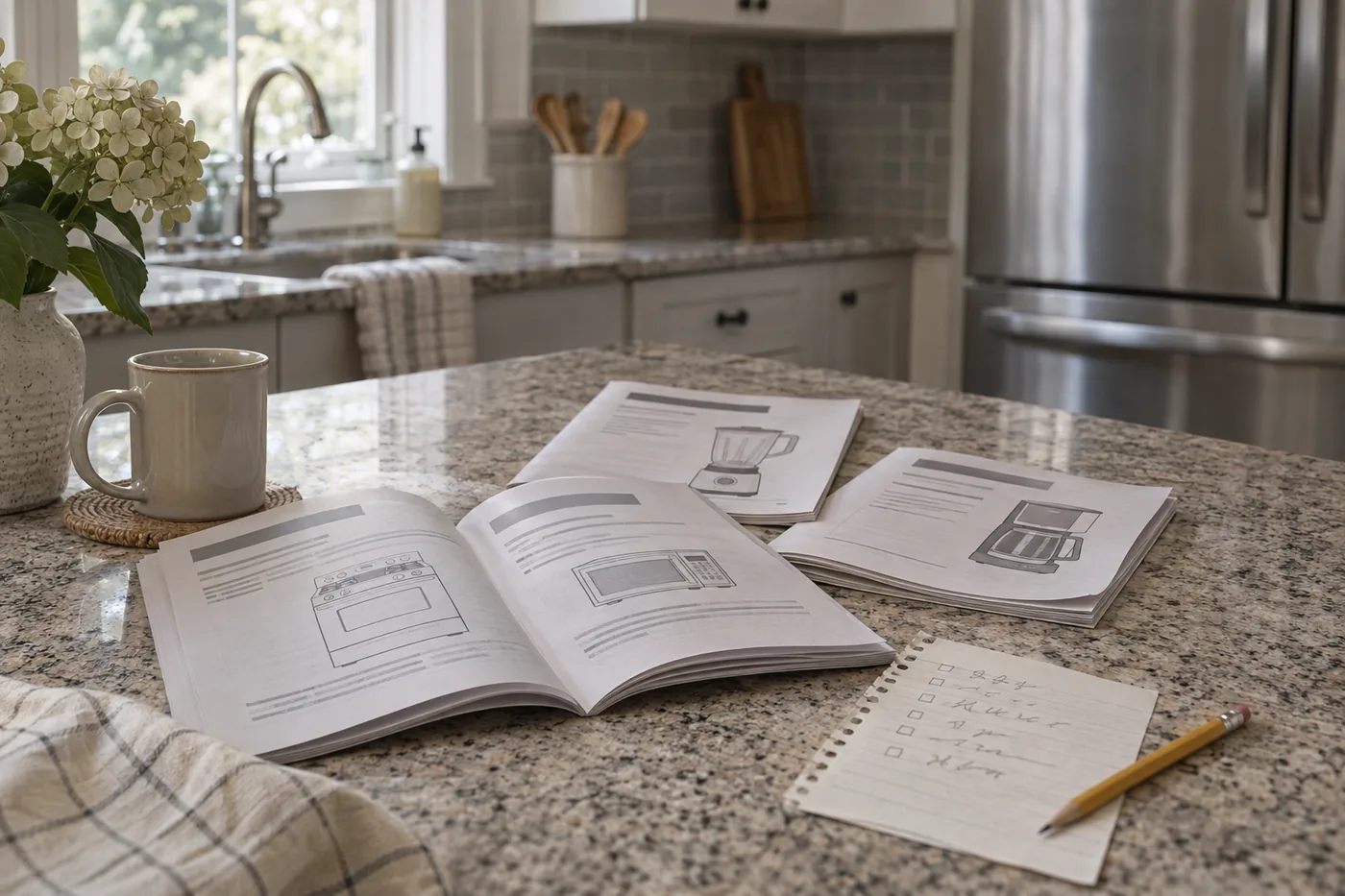 Appliance labels and manufacturer instructions supply the numbers for your own load list.
Part 3Settle the furnace wiring before the storm
The original product specifications identify a floating neutral and mark the iGen5000c not transfer-switch ready. But the Westinghouse manual also describes approved transfer-switch use, so neither statement gives a homeowner a complete connection design.
For a hardwired furnace, Westinghouse requires an approved transfer switch when supplying building wiring. That means a qualified electrician needs to establish compatibility, including the inlet, switching, neutral arrangement, grounding, and furnace requirements. Never connect the generator to a household wall outlet to feed the house.
For cord-connected appliances, Westinghouse calls for appropriately rated cords in good condition and observance of generator and receptacle limits. But its manual also warns that openings used for cords can admit exhaust, so cord routing cannot be separated from outdoor placement.
The iGen5000c includes automatic CO shutdown, according to Westinghouse. But Westinghouse explicitly says the sensor does not replace home CO alarms; EPA recommends functioning alarms with battery backup and cites CPSC guidance for alarms on each level outside sleeping areas.
Restoring power also leaves a separate winter job: checking the furnace exhaust outlet. Because EPA warns that snowdrifts can obstruct outside exhaust vents, a running blower alone is not evidence that the heating system is ready.
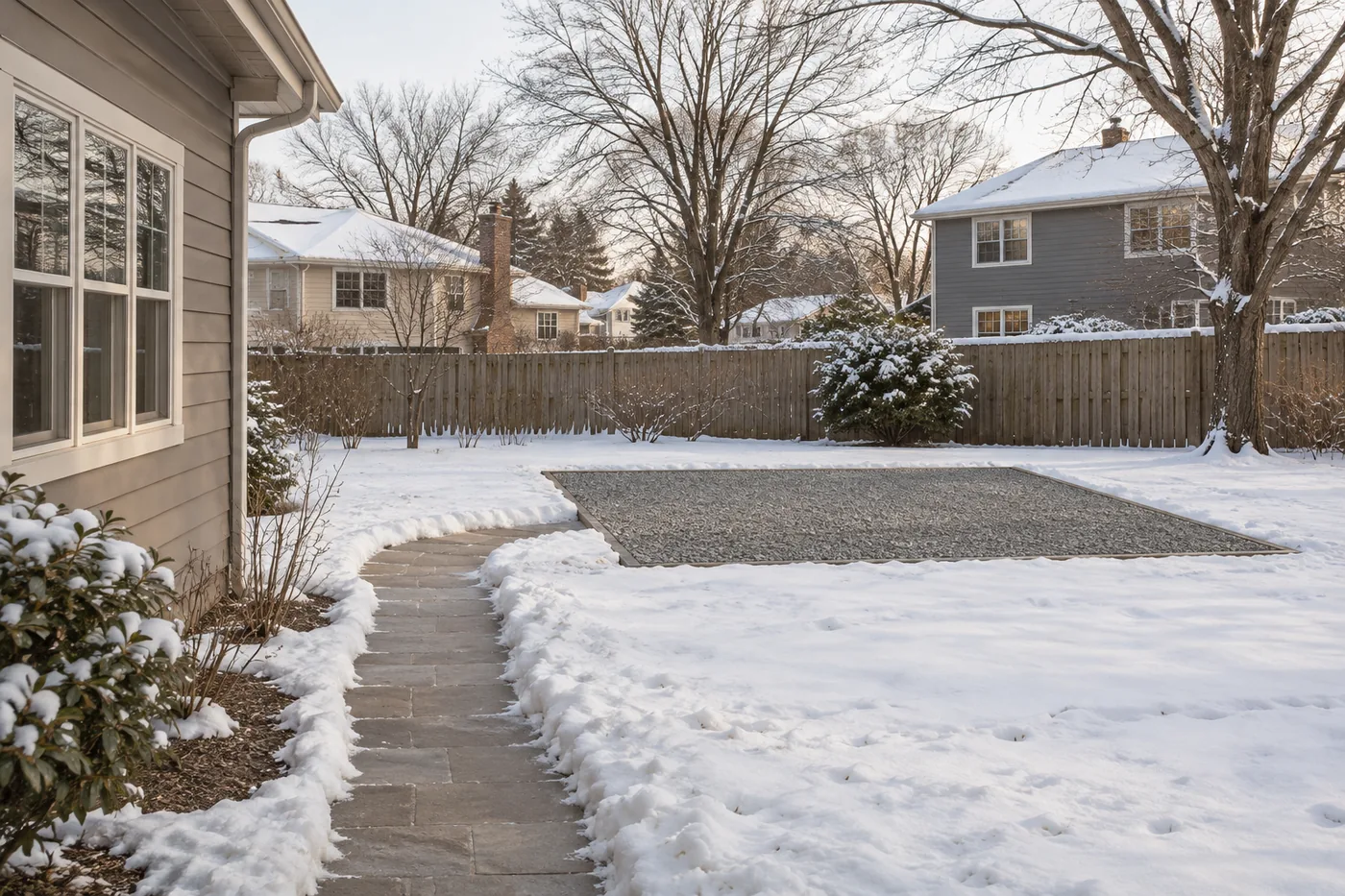 A cleared path is useful only when the destination also meets the outdoor operating requirements.
Part 4Budget for the stops, not just the machine
Westinghouse's stated up to 18 hours at 25% load comes from a 3.4-gallon tank. That buys a light-load runtime claim, not a promise that your changing appliance loads will run through the night without attention.
Westinghouse's manual calls for stopping the engine and allowing at least two minutes of cooling before refueling, plus oil checks before each use or every eight operating hours. So a longer outage needs planned interruptions as well as gasoline; it is not simply a matter of filling the tank and going to bed.
The manufacturer's advertised sound level is as low as 52 dBA. But the previously checked product page did not give its measurement distance or operating load, so I would not use that figure to promise a quiet bedroom or compliance with a neighborhood noise rule.
The last successfully checked US manufacturer MSRP was $1,199.00 on November 10, 2026. Because the product page could not be refreshed on November 24, 2026, treat that as an older suggested price, not today's checkout quote; electrical work and suitable weather protection also belong in the budget.
Sources and selection: Westinghouse specifications and its owner manual informed the load, connection, and operating checks; EPA guidance informed placement and CO precautions. Manufacturer figures retain their November 10, 2026 verification date because the product page could not be refreshed; EPA pages were checked November 24, 2026.
Keep the refrigerator on the list and the whole house off it.
In one sentence
The iGen5000c fits a checked essentials list, not an unrestricted whole-house load.
Westinghouse iGen5000c Inverter Generator with CO Sensor
Frequently asked questions
Can the iGen5000c run a refrigerator and furnace together?
Only if their complete running requirements and possible simultaneous starting loads fit the generator and connection limits. A compatible fuel-burning furnace also needs a professionally established connection if it is hardwired; no universal appliance pairing is guaranteed.
Can I connect the TT-30R outlet directly to house wiring?
The RV outlet is not itself an approved household transfer arrangement. Westinghouse requires an approved transfer switch for building wiring, and a qualified electrician must establish compatibility with this model's neutral, grounding, inlet, and appliance requirements. Never feed a household wall outlet.
Does the 18-hour runtime mean it will last all night?
Westinghouse states up to 18 hours at 25% load, not at every load. Its manual also calls for engine-off cooling before refueling and regular oil checks, so changing demand and service interruptions belong in the overnight plan.
Can the CO sensor make garage operation safe?
No. EPA prohibits running fuel-powered generators inside houses or garages and specifies outdoor operation at least 20 feet from buildings. Westinghouse says its CO sensor does not replace household CO alarms.
Sources
- Westinghouse iGen5000c Inverter Generator with CO Sensor · 2026-11-10
Original successfully checked figures retained: $1,199.00 US MSRP; 3,900 running W; 5,000 peak W; 120V; 20A duplex household receptacle; TT-30R; 3.4 gallons; up to 18 hours at 25% load; 105.8 lb dry; as low as 52 dBA without measurement-distance/load context. Floating neutral and Transfer Switch Ready: No. Refresh attempted November 24, 2026 returned HTTP 429.
- Westinghouse iGen5000c owner manual · 2026-11-10
Original manual findings retained: engine off and at least two minutes cooling before refueling; oil checks before each use or every eight operating hours. Also covers starting-load calculations, receptacle ratings, approved transfer-switch use, outdoor weather precautions, cord openings, and CO-sensor limitations. PDF successfully reopened November 24, 2026, but text was not freshly extracted; earlier verification date retained.
- EPA emergencies and indoor air quality · 2026-11-24
Read requirement to operate fuel-powered generators outdoors at least 20 feet from buildings. Also read warning to keep snowdrifts clear of outside furnace and other appliance exhaust vents; no numeric vent-clearance claim used.
- EPA power outages and indoor air quality · 2026-11-24
Read battery-backup CO-alarm guidance and CPSC recommendation for alarms on each level outside sleeping areas. Also read prohibitions on generator operation inside a house or garage and near doors, vents, or windows; no numeric model specifications taken from this page.