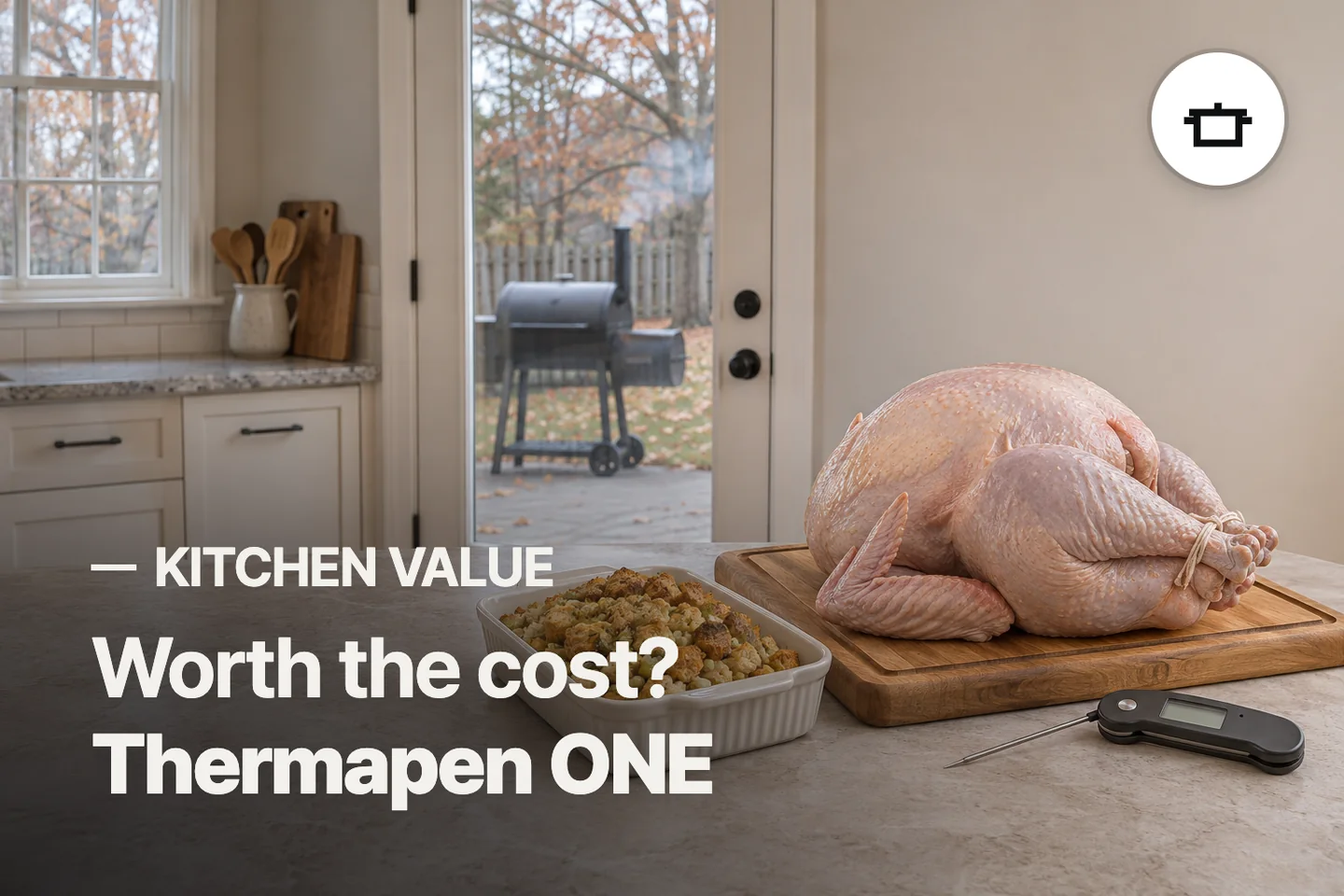
Is another thermometer worth paying for when your backyard smoker already has a probe in the holiday turkey? Yes, if you need to check more than the spot that probe is watching. But the purchase makes much more sense when it earns its keep at ordinary dinners, too.
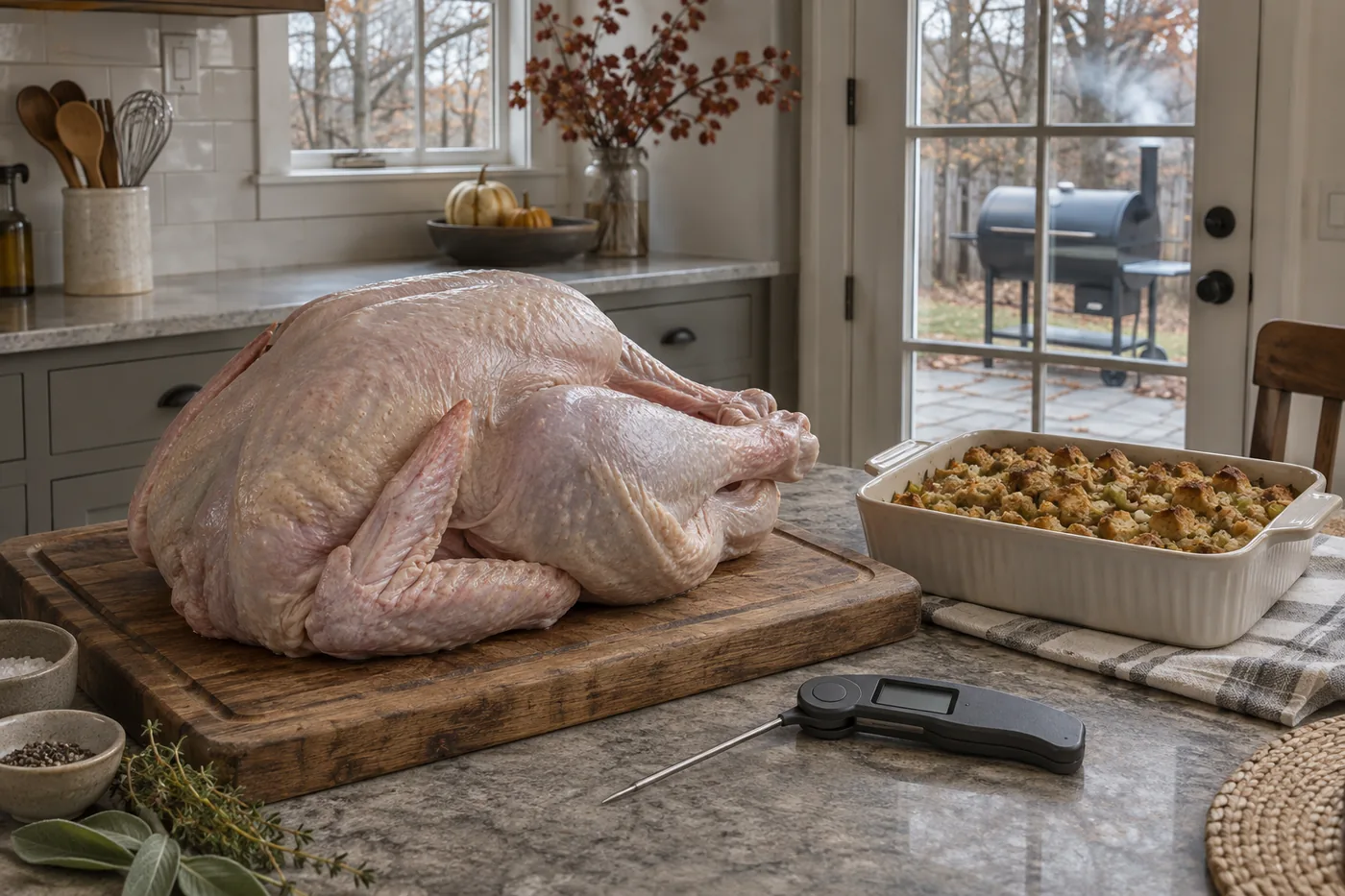 A handheld check answers a different question from the probe watching the smoker.
I'd choose ThermoWorks Thermapen ONE for a cook who already has long-cook monitoring covered but lacks a convenient handheld thermometer. If your existing instant-read already checks different parts of dinner comfortably, I'd keep it instead. This is money for quicker manual checks, not a reason to replace a useful tool.
How we chose
Reviewed the original article's ThermoWorks product notes and FDA and USDA cooking guidance, using movable checks, body operating limits, and recurring-use cost as the three criteria. Source pages couldn't be refreshed on November 24, 2026; specifications and the dated price retain their November 16 verification.
Toneandroom picks
Best instant-read thermometer for smoker spot checks: Top 1
You already monitor the smoker but need a handheld for checks across the turkey and everyday meals
ThermoWorks Thermapen ONE
Red model: $74 closeout; $115 compare-at, ThermoWorks, before tax and shipping. Last verified 2026-11-16; not refreshed 2026-11-24. Current delivered price requires checking.
Maker-listed speed and accuracy suit movable checks that complement a leave-in probe, while the backlight and rotating display address awkward viewing positions.
- Response
- 1 second
- Accuracy
- ±0.5°F (-4°F–248°F)
- Probe
- 4.3 in
- Body range
- -4°F to 122°F
- You need checks beyond the installed probe
- You'll reach for it at ordinary dinners
- It won't replace remote monitoring
- Confirm the current price and body limits
What we considered
Extra checks
Will it answer something your installed probe can't?
The FDA calls for checking separate turkey locations, while an installed probe follows its own position. That makes a movable handheld useful when you don't already have one that serves you well.
Body limits
Will you use it within the handle's operating range?
ThermoWorks lists body operation from -4°F to 122°F, distinct from the probe's food-measurement range. I chose it for brief manual checks, not for leaving inside the smoker or sending indoor alerts.
Ongoing cost
Will it earn its price after the holiday?
The last verified red-model offer was $74 before tax and shipping on November 16, 2026. Frequent cooking spreads that purchase over more meals, but a thermometer you already like is a reason to skip the extra expense.
Part 1What does it add to the probe you own?
A leave-in probe follows the temperature where you put it, so its reassuring display only answers a question about that location. The ONE moves between locations instead. That makes its job complementary rather than redundant when a whole turkey has different places to check.
ThermoWorks' previously verified specifications list a one-second response and ±0.5°F accuracy from -4°F to 248°F. Because the speed is a manufacturer specification rather than a result measured here, it supports a reason to consider the instrument, not a promise about how much cooking time you'll save. Placement still matters.
The FDA's holiday guidance names the innermost thigh and wing and the thickest breast, with a turkey endpoint of 165°F. So a breast reading doesn't answer the thigh question, and another check isn't needless duplication. The ONE's maker-listed 4.3-inch folding probe is relevant to that movable job, although probe length alone doesn't establish correct placement.
This is where I'd separate the thermometer purchase from the cooking plan. You aren't buying permission to trust a single number; you're buying a convenient way to ask the next temperature question.
Part 2Will it suit a cold backyard?
ThermoWorks lists the body's operating range as -4°F to 122°F. That means cold outdoor air may be within its stated limits, but the hot cooking chamber is a different environment. Bring the handheld out for checks rather than treating it like a leave-in probe.
The distinction is easy to miss because the maker lists a much broader measurement range. But the probe's ability to measure hot food doesn't give the handle the same heat tolerance.
Swipe sideways to see the full table →
| ThermoWorks specification | What it changes at dinner |
|---|---|
| Body operation: -4°F to 122°F | Check the outdoor conditions; keep the body out of cooking heat |
| Measurement: -58°F to 572°F | Food measurement range isn't handle heat resistance |
| Automatic backlight and 360° rotating display | The screen can accommodate different viewing positions |
| One AAA battery; 2,000-hour listed battery life | The battery is replaceable; its rating isn't the instrument's lifespan |
The rotating display and backlight are part of what the money buys. Because you may approach the turkey from different sides, those features have a practical purpose beyond looking polished in a product photo. But they don't provide indoor alerts or replace equipment designed for remote monitoring.
A hot-food measurement limit and a handle's operating limit describe different things.
Part 3Does a faster check fix the turkey plan?
No, and this matters before a holiday purchase turns into confidence about the whole meal. The USDA's alternate-method guidance lists 8–12 lb turkeys for smoking, says not to stuff them, and specifies smoker air at 225–300°F. So the thermometer isn't a workaround for a bird outside that listed smoking-size range.
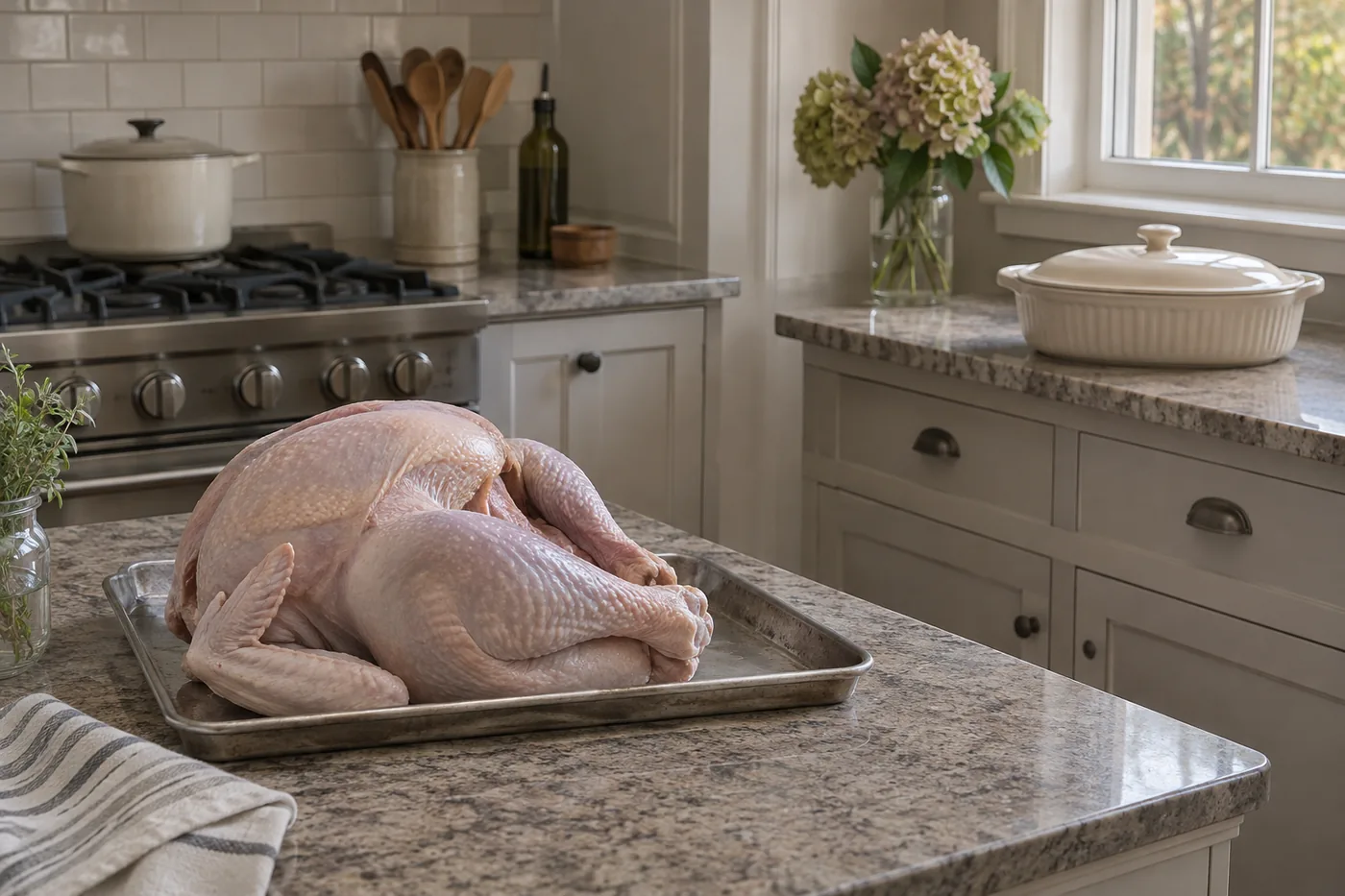 The cooking method and the stuffing plan need to make sense before temperature checks begin.
For a larger bird, match the cooking method to applicable USDA guidance and the cooker's instructions rather than assuming the smaller-bird smoking instructions still apply. That decision comes before comparing thermometer features. A faster reading can't change the limits of the method.
The FDA recommends a separate casserole for stuffing for optimum safety and specifies 165°F for stuffing as well. Because the USDA smoking guidance here calls for an unstuffed bird, the casserole belongs outside the turkey. Its center then needs its own temperature check; the poultry reading doesn't answer that question either.
Part 4What price makes sense after the holiday?
The last verified ThermoWorks offer was $74 for the red model, with a $115 compare-at price, before tax and shipping, on November 16, 2026. The official page couldn't be refreshed for this November 24 rewrite, so that is an older, color-specific closeout observation, not today's confirmed offer. Check the current delivered total before using it as your budget.
That same source listed a five-year warranty. But warranty length isn't a guaranteed service life, so I use five years only as an ownership assumption for the arithmetic. At the older $74 price, the purchase alone would work out to $14.80 a year over that period.
Assume one cooking session a week, or 52 a year, and $74 ÷ (52 × 5) comes to about $0.28 a session. That excludes batteries, tax, shipping, and noncovered replacement. Use it only at an annual holiday meal and the same assumed five-year ownership would cost $14.80 per use instead; frequency does most of the work in this comparison.
Part 5Where does your money go furthest?
I'd put the money toward the ONE when you need a movable checker throughout the year, not just another display at Thanksgiving. Its published speed, specified accuracy, and readable screen address that job. But buying it for remote notifications would leave the original problem unsolved.
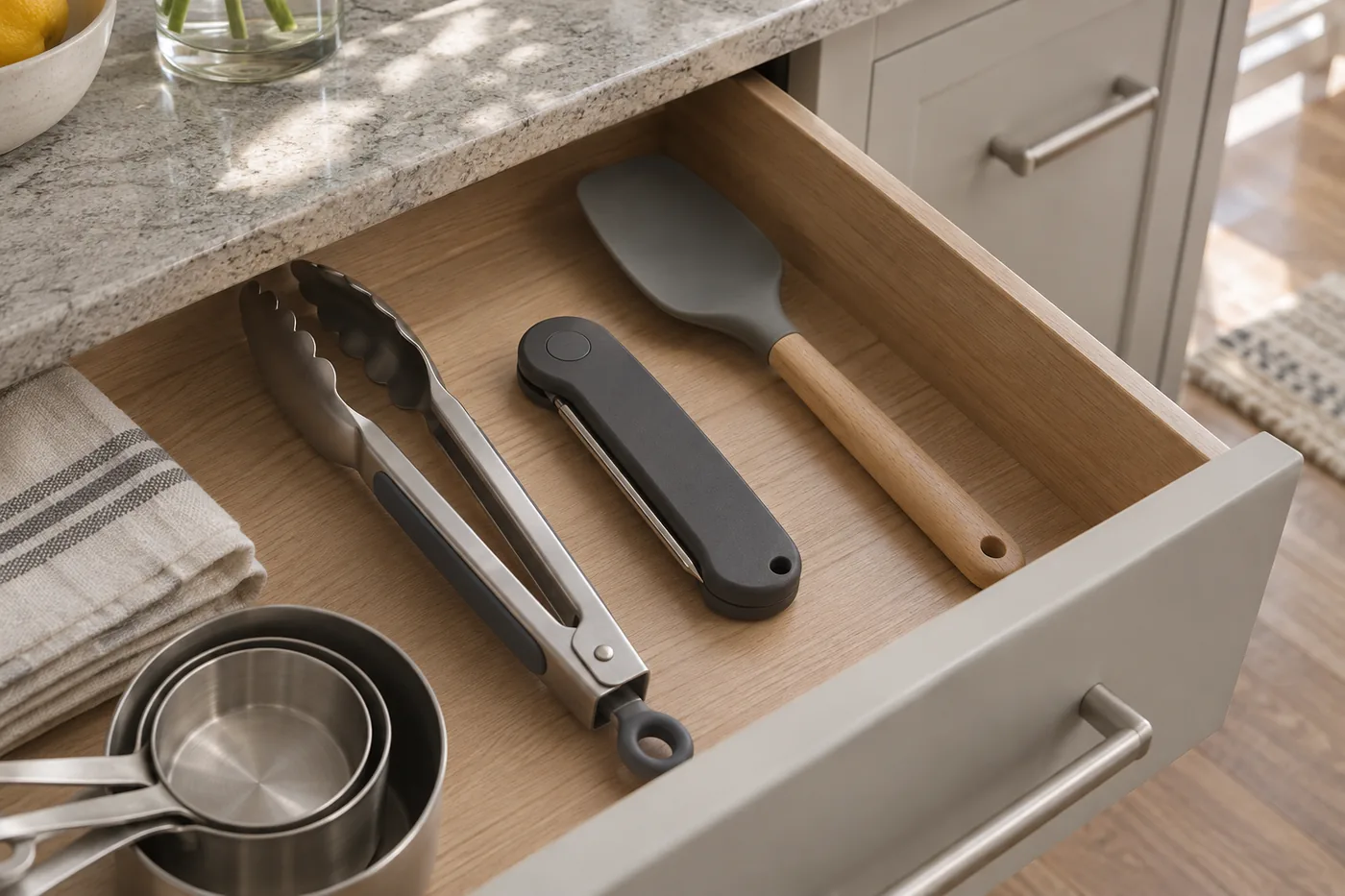 The value calculation improves when the thermometer has work beyond the holiday meal.
If a capable instant-read already lives in that drawer, keep your money until there's a specific inconvenience worth paying to remove. If there isn't one, compare the current delivered price with how often you'll actually reach for it. The strongest case is an ordinary weeknight habit, not a closeout label.
Method: This rewrite uses the original article's ThermoWorks specifications and price notes, FDA holiday guidance, and USDA turkey-method guidance, last verified November 16, 2026. Refresh attempts on November 24, 2026 did not return usable source pages, so the older price and verification dates are retained. Selection considers movable checks, body operating limits, and recurring-use cost. Cost examples use stated assumptions; no cooking measurements or customer-review claims are included.
In one sentence
Thermapen ONE adds movable temperature checks to a smoker setup, with the best value coming from frequent cooking beyond the holiday.
ThermoWorks Thermapen ONE
Frequently asked questions
Is Thermapen ONE useful if I already have a smoker probe?
Yes, when you need manual checks at other locations and don't already have a convenient instant-read. A leave-in probe tracks its installed position; this handheld moves between places.
Can Thermapen ONE stay inside the smoker?
No. ThermoWorks lists a maximum body operating temperature of 122°F, while the USDA smoking guidance specifies smoker air at 225–300°F. Use it as a handheld checker, not a leave-in monitoring device.
What is the current Thermapen ONE price?
A current offer couldn't be verified for the November 24, 2026 rewrite. The original article verified a $74 red-model closeout against a $115 compare-at price at ThermoWorks on November 16, 2026, before tax and shipping; don't assume that offer remains available.
What does the older $74 price mean per use?
With an assumed five years of ownership and 52 cooking sessions a year, $74 divided by 260 sessions is about $0.28 per session. Used only once a year for those five years, it would be $14.80 per use; both examples exclude batteries, tax, shipping, and noncovered replacement.
Where should a holiday turkey's temperature be checked?
The FDA names the innermost thigh and wing and the thickest breast and specifies 165°F. Stuffing also needs 165°F; the USDA smoking method discussed here calls for an unstuffed turkey, so cook the stuffing separately.
Sources
- ThermoWorks Thermapen ONE · 2026-11-16
Retained original verification; 2026-11-24 refresh returned local_rate_limited. Red model $74 closeout, $115 compare-at, before tax and shipping; 1-second response; ±0.5°F accuracy from -4°F to 248°F; 4.3-inch probe; body operation -4°F to 122°F; measurement -58°F to 572°F; 360° display; one AAA battery; 2,000-hour listed battery life; five-year warranty. Illustrative arithmetic: $74/5 = $14.80 annually or per annual use over five years; $74/(52×5) ≈ $0.28 per weekly session. No current offer confirmed.
- FDA holiday food safety guidance · 2026-11-16
Retained original verification; 2026-11-24 refresh returned Not found. Turkey endpoint 165°F at innermost thigh and wing and thickest breast; stuffing 165°F; separate casserole recommended for optimum safety.
- USDA FSIS alternate turkey cooking methods · 2026-11-16
Retained original verification; 2026-11-24 refresh returned Access Denied. Smoking guidance lists 8–12 lb turkeys, no stuffing, and smoker air at 225–300°F.